
Swirl marks appear after improper car washing because dirt, grit, and abrasive particles are rubbed across the paint instead of being safely removed. This creates thousands of tiny scratches that scatter light, making the finish look dull and reducing shine. Using proper washing techniques, quality products, and regular maintenance helps prevent these defects, preserve the clear coat, and maintain your vehicle’s appearance for years ahead.
What Are Swirl Marks?
Swirl marks are extremely fine scratches found in the transparent layer covering automotive paint. Although they often appear as circular patterns, they are actually countless microscopic abrasions reflecting light in different directions.
They are easiest to notice under:
- Bright sunlight
- LED garage lighting
- Parking garage lights
- Camera flash
These surface imperfections usually affect only the outer protective layer rather than the colored paint underneath. While they may seem minor initially, they gradually reduce gloss and clarity.
Why Improper Car Washing Creates These Fine Scratches
The biggest cause is friction.
Whenever dirt remains on the surface during washing, it becomes trapped between the wash media and the paint. Instead of being safely lifted away, the particles slide across the finish and cause microscopic damage.
How It Happens
- Dust and debris collect on the exterior.
- A wash mitt or sponge comes into contact with the surface.
- Dirt becomes trapped.
- Abrasive particles scrape the finish.
- Light reflects unevenly.
- Fine scratches become visible.
Even ordinary road dust can contain sand, brake dust, and tiny mineral particles that can scratch modern paint systems.
Comparison Table: Safe Washing vs. Poor Washing Habits
| Practice | Recommended Method | Incorrect Method | Damage Risk |
| Pre-rinse | Thorough rinse first | Skip rinsing | Very High |
| Wash tool | Clean microfiber mitt | Old sponge | High |
| Soap | pH-balanced car shampoo | Household detergent | High |
| Bucket system | Two buckets with grit guards | Single bucket | Very High |
| Drying | Plush microfiber towel or blower | Cotton towel | Very High |
| Pressure | Gentle strokes | Aggressive scrubbing | Very High |
| Towel care | Frequently cleaned | Dirty reused towels | High |
Common Washing Mistakes That Damage Paint
1. Using Dirty Wash Media
Wash mitts and towels collect debris throughout the cleaning process. Without frequent rinsing, that debris continues rubbing against the finish.
2. Skipping the Initial Rinse
Removing loose contaminants before touching the paint significantly reduces abrasion.
3. Using One Bucket
A two-bucket system helps keep clean wash water separate from contaminated rinse water.
4. Choosing the Wrong Towels
Automotive microfiber is specifically designed to capture debris within its fibers instead of dragging it across painted panels.
5. Washing in Direct Sunlight
Heat causes soap and water to dry quickly, increasing the likelihood of extra wiping.
6. Scrubbing Too Hard
Cleaning solutions and quality wash mitts should do the work. Excess pressure only increases friction.
7. Improper Drying
Even after a safe wash, rough drying methods can introduce new surface imperfections.
Essential Car Washing Features
- Microfiber Wash Mitt: A soft cleaning tool designed to safely lift contaminants away from painted surfaces.
- pH-Neutral Car Shampoo: An automotive shampoo that cleans effectively without removing waxes, sealants, or ceramic coatings.
- Grit Guard: A bucket insert that traps dirt at the bottom, preventing it from returning to the wash mitt.
- Drying Towel: A highly absorbent microfiber towel designed for safe, low-friction drying.
- Clear Coat: The transparent protective layer that enhances gloss and shields the colored paint beneath.
- Ceramic Coating: A durable protective coating that improves chemical resistance and simplifies vehicle maintenance.
How to Wash Your Car Safely
1. Rinse Thoroughly
Remove loose contamination before touching the surface.
2. Apply Pre-Wash Foam
Foam softens and loosens stubborn dirt, reducing contact friction.
3. Wash From the Roof Down
Upper panels usually carry less contamination than lower sections.
4. Use Two Buckets
Separate clean wash solution from dirty rinse water.
5. Clean the Mitt Frequently
Rinsing after each section helps prevent the transfer of debris.
6. Dry Carefully
Use premium microfiber towels or filtered air to reduce unnecessary contact.
7. Maintain Protective Coatings
Waxes, sealants, ceramic coatings, and paint protection film help make routine cleaning easier while reducing friction.
How Weather and Environment Contribute to Swirl Mark Risk
Your vehicle’s environment plays a major role in how easily swirl marks develop. Dust, pollen, road grime, rainwater residue, and industrial fallout can build up on the surface, increasing friction during washing.
Common contributors include:
- Road dust contains abrasive particles that can scratch paint during cleaning.
- Bird droppings and bug residue can bond strongly to the clear coat and require careful removal.
- Rainwater deposits: Mineral buildup can create additional surface contamination.
- Outdoor parking: Vehicles exposed to the elements typically require more frequent and careful maintenance.
Regular washing removes these contaminants before they become harder to safely eliminate.
Why Automatic Car Washes Often Create Paint Damage
Many drivers choose automatic car washes for convenience, but certain systems can increase the risk of swirl marks. Brush-style car washes often reuse cleaning materials that collect dirt and debris from multiple vehicles.
Potential risks include:
- Dirty brushes transfer abrasive particles
- Excessive pressure against the paint
- Limited rinsing between vehicles
- Aggressive drying methods
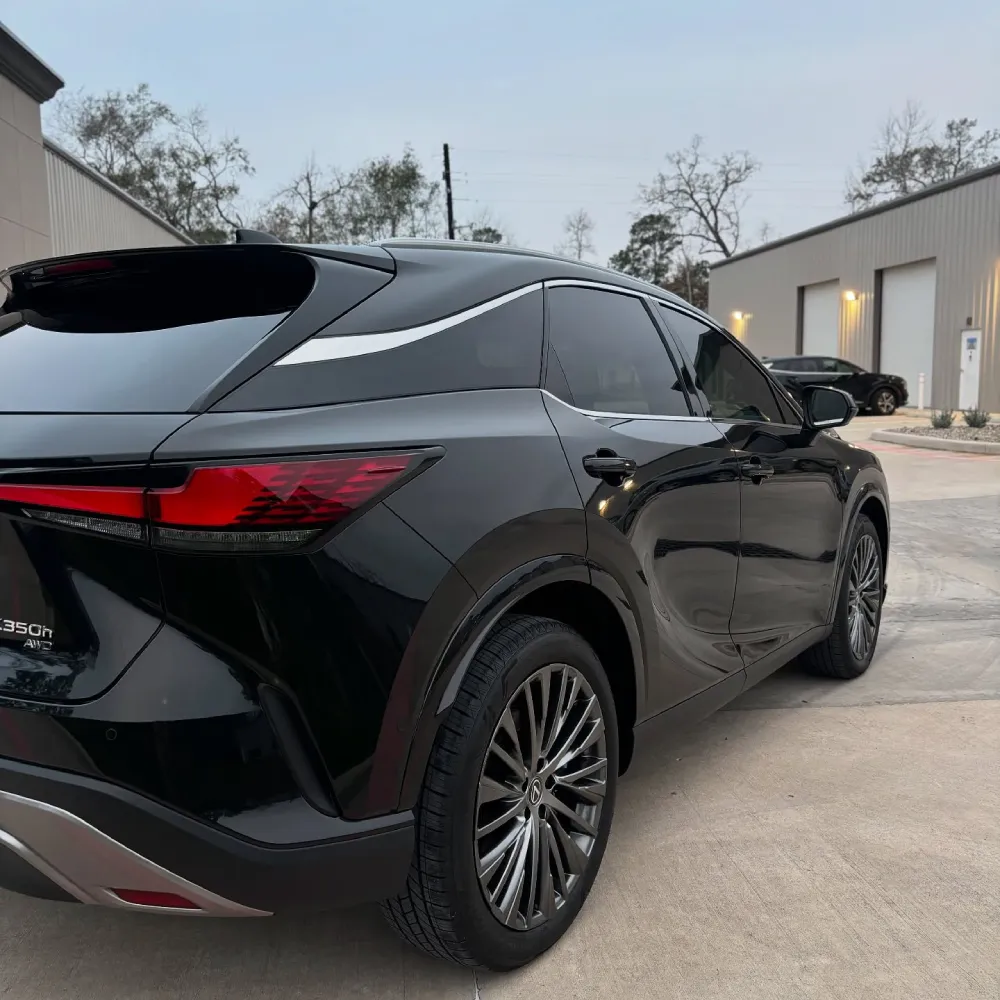
While not every automatic wash causes damage, professional hand washing with proper techniques, such as those used at The Woodlands, car detailing, provides greater control over how contaminants are removed and helps reduce the risk of swirl marks and paint damage.
Industry Myth: “Swirl Marks Are Unavoidable”
A common misconception is that every car will eventually develop visible paint marring regardless of how carefully it is maintained.
That simply isn’t true.
Professional detailers regularly maintain show-quality finishes for years by following proven cleaning methods and using premium products. While everyday driving exposes your car to dirt and contaminants, most wash-induced scratches are preventable with consistent care and proper techniques.
Why Surface Protection Matters
Protective products provide more than extra shine.
Benefits include:
- Easier cleaning
- Better water repellency
- Reduced dirt buildup
- Less friction during maintenance
- Longer-lasting gloss
- Improved resistance to environmental contaminants
Although no coating makes paint immune to scratches, reducing friction during regular cleaning greatly lowers the risk of future damage.
Experience Makes the Difference
Over the years, we’ve evaluated countless vehicles whose owners believed everyday driving caused their paint defects. In many cases, the real cause was improper washing or drying.
During consultations with clients from Grogan’s Mill, Alden Bridge, and Sterling Ridge, we’ve consistently found that replacing worn towels, adopting safer cleaning methods, and maintaining protective coatings significantly improve the long-term appearance of a vehicle’s finish.
These real-world experiences reinforce an important point: consistent maintenance habits deliver better results than occasional corrective polishing.
Why Professional Detailing Protects Your Investment
Professional detailing involves much more than making a car look clean.
Experienced specialists evaluate:
- Finish condition
- Existing paint defects
- Surface contamination
- Safe correction methods
- Protective coating options
- Ongoing maintenance recommendations
If you’re researching car detailing in The Woodlands, TX, choose a provider that focuses on education as well as results. Understanding how to maintain your vehicle between appointments helps extend the life of any detailing service.
Experience, Expertise, and Long-Term Care
Preserving automotive finishes requires knowledge, patience, and proven techniques. Professional detailers understand how different paint systems respond to washing, polishing, environmental exposure, and long-term maintenance.
Many owners searching for car detailing in The Woodlands are looking for trusted professionals who prioritize long-term care instead of temporary cosmetic improvements. Combining quality products with consistent maintenance helps preserve appearance, resale value, and overall satisfaction.
In Summary
Most swirl marks result from preventable maintenance mistakes rather than normal vehicle ownership. If you’re considering car detailing services, choosing professionals who emphasize safe cleaning methods and long-term finish preservation can help your car maintain its appearance and value for years to come.
By combining careful washing, quality products, and professional protection from Pavilion Auto Studio, you can keep your vehicle looking newer for longer while reducing the need for future paint correction and preserving your investment.
Ready to give your car the professional care it deserves? Contact Us today. Whether you need paint correction, ceramic coating, premium detailing, or expert guidance on vehicle maintenance, our team is committed to preserving your investment with exceptional craftsmanship and trusted automotive care.
Frequently Asked Questions
How often should I wash my car?
Most vehicles benefit from cleaning every one to two weeks, although weather and driving conditions may require more frequent maintenance.
Can ceramic coatings stop scratches?
No. Ceramic coatings help reduce friction and simplify maintenance, but they do not make paint scratch-proof.
Are automatic car washes safe?
Touchless systems are generally safer than brush-style facilities, but careful hand washing remains the preferred method.
Can these fine scratches be removed?
Yes. Professional paint correction can safely eliminate or significantly reduce many surface defects.
Is microfiber really better?
Yes. Quality microfiber captures dirt within its fibers instead of dragging particles across painted surfaces.