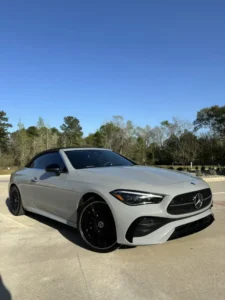

Ceramic coating protects vehicle paint by forming a chemically bonded nano-ceramic layer over the clear coat that resists UV radiation, slows oxidation, and reduces contamination bonding. Unlike wax or sealants that degrade quickly, this protective coating integrates into the paint system at a molecular level and provides long-term protection under real-world driving conditions.
In practice, this means improved gloss retention, reduced fading from sun exposure, easier cleaning, and significantly lower risk of permanent staining from environmental contaminants such as bird droppings, road salt, and industrial fallout.
For vehicle owners, this is not just a cosmetic upgrade; it is a long-term surface preservation system designed to extend the life and appearance of automotive paint.
What Ceramic Coating Does at a Molecular Level
Ceramic coating is primarily formulated using silicon dioxide (SiO₂), titanium dioxide, or hybrid inorganic compounds. When applied correctly, it chemically bonds with the vehicle’s clear coat and cures into a hardened transparent layer.
This layer is not a topical wax or temporary sealant. Instead, it becomes a semi-permanent extension of the paint’s protective structure.
Key Structural Advantages
- Chemically bonded, not just surface-adhered
- Resistant to environmental breakdown
- Maintains clarity without yellowing or oxidation
- Enhances surface hardness without altering paint appearance
Protection System Comparison
| Feature | Wax | Sealant | Ceramic Coating |
| Bond Type | Surface layer | Synthetic film | Chemical bond |
| Lifespan | Weeks | Months | Years |
| UV Resistance | Low | Moderate | High |
| Chemical Resistance | Low | Moderate | High |
| Maintenance Demand | High | Medium | Low |
This structural advantage is why ceramic coating in Woodlands, TX, is widely used in professional detailing environments for long-term paint preservation.
UV Radiation Protection and Long-Term Paint Stability
Ultraviolet (UV) radiation is one of the most damaging environmental factors affecting automotive paint. It breaks down polymer chains in the clear coat, leading to oxidation, fading, and reduced gloss clarity over time.
Ceramic coating reduces UV impact by acting as a protective barrier that slows radiation penetration and disperses heat more efficiently across the surface.
Real-World UV Protection Benefits
- Slower pigment fading on exposed panels
- Improved gloss retention over extended sun exposure
- Reduced clear coat breakdown on roofs and hoods
- Better long-term color depth preservation
Vehicles that spend significant time outdoors or in high-sun environments benefit the most from this layer of protection, especially when combined with proper maintenance routines.
Oxidation Resistance and Heat Protection
Oxidation is a chemical reaction that occurs when oxygen and heat interact with automotive paint. Over time, this process breaks down the clear coat, resulting in dullness, chalkiness, and loss of reflectivity.
Ceramic coating helps slow oxidation by reducing direct exposure of the paint surface to oxygen, moisture, and airborne pollutants while also improving thermal resistance.
Practical Effects in Real Conditions
- Reduced dulling on horizontal panels (hood, roof, trunk)
- Slower degradation in hot climates or direct sun exposure
- Improved resistance to heat cycling and environmental stress
- Longer-lasting gloss retention between washes
While Woodlands, TX, ceramic coatings do not completely stop oxidation, they significantly delay its progression when applied correctly and maintained properly.
Protection Against Environmental Contaminants
Modern driving conditions expose vehicles to a wide range of contaminants, including:
- Bird droppings (highly acidic)
- Tree sap (resin-based adhesion)
- Road salt (corrosive in winter conditions)
- Tar and asphalt particles
- Brake dust and industrial fallout
Without protection, these contaminants can chemically bond with paint, causing permanent etching or staining.
Ceramic coating reduces this risk by lowering surface energy and creating a hydrophobic layer that prevents strong adhesion.
Real-World Contaminant Behavior
| Contaminant | Untreated Paint | Ceramic Coated Surface |
| Bird Droppings | Rapid etching risk | Easier removal window |
| Road Salt | Corrosive buildup | Reduced adhesion |
| Tar | Strong bonding | Easier breakdown |
| Dust/Grime | Heavy accumulation | Easier rinse-off |
The hydrophobic effect allows water to bead and carry contaminants away more effectively during washing.
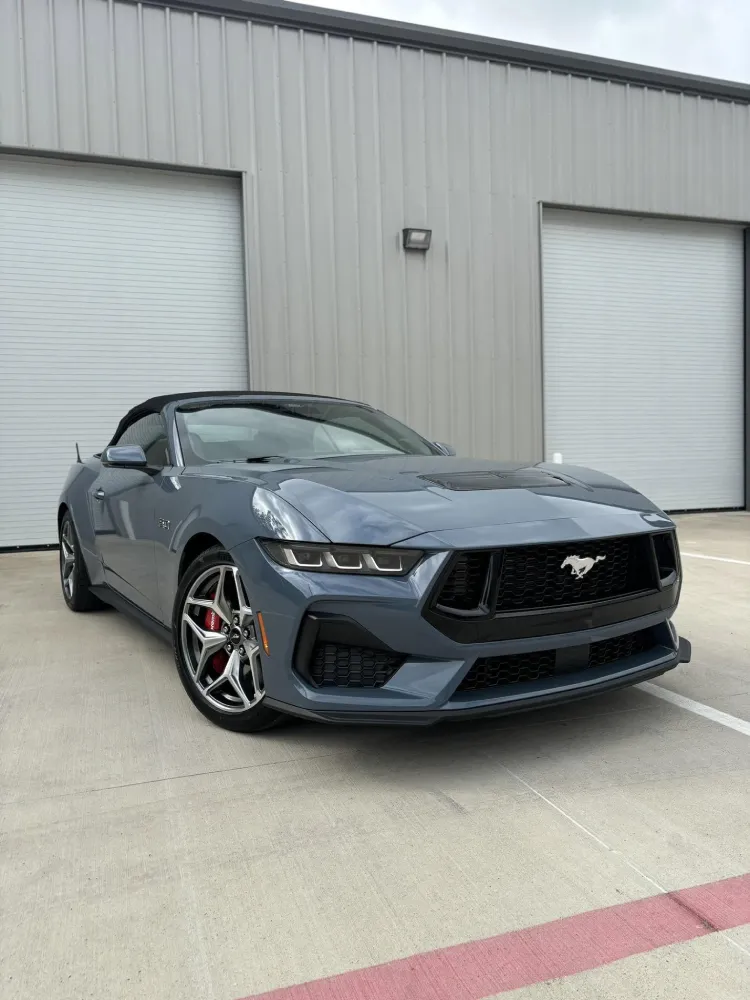
Functional Properties of Ceramic Coating
Hydrophobic Behavior
A surface property where water forms tight beads and rolls off quickly, reducing water spotting and helping lift dirt during rinsing.
Nano-Bonding Technology
A chemical bonding process where ceramic particles integrate with the clear coat at a molecular level, forming a durable protective layer.
Surface Energy Reduction
A measurable reduction in how strongly dirt, oil, and contaminants adhere to paint surfaces.
Chemical Resistance
The coating’s ability to withstand acidic and alkaline contaminants without degrading or staining.
Common Misconception: “Ceramic Coating Makes Paint Scratch-Proof”
One of the most widespread misunderstandings in automotive care is that ceramic coating makes paint fully scratch-proof. This is incorrect.
Ceramic coatings slightly increase surface hardness and reduce micro-marring caused by improper washing, but they do not prevent physical damage from impacts or abrasive forces.
What Ceramic Coating Actually Improves
- Reduced swirl marks from hand washing
- Lower friction during cleaning
- Better resistance to light abrasion
What It Does NOT Do
- Prevent rock chips or deep scratches
- Replace proper washing techniques
- Eliminate maintenance requirements
Understanding this distinction is essential for realistic expectations and long-term paint care success.
Structured Application Process for Long-Term Protection
A professional coating system is applied using a multi-stage process designed to maximize adhesion, surface quality, and long-term durability.
Step 1: Surface Decontamination
The vehicle is thoroughly cleaned using chemical and mechanical methods to remove embedded contaminants, including tar, iron particles, and road residue. This ensures a clean surface for proper bonding.
Step 2: Surface Refinement
Machine polishing is performed to correct imperfections such as swirl marks, oxidation, and light scratches, resulting in a smoother, more refined finish.
Step 3: Controlled Application
The protective coating is applied carefully, panel by panel, under controlled conditions to ensure even coverage and proper bonding.
Step 4: Curing Process
The vehicle is allowed to cure in a controlled environment to strengthen durability and enhance long-term protective performance.
This structured methodology ensures consistent, high-quality results across all vehicles.
Real-World Performance and Maintenance Benefits
Ceramic coating delivers the most noticeable benefits in real-world driving environments where vehicles are exposed to constant weathering and contamination.
Key Practical Benefits
- Reduced washing frequency due to self-cleaning surface behavior
- Easier removal of road grime, insects, and dust
- Improved gloss retention under UV exposure
- Reduced risk of permanent staining from contaminants
In long-term use, properly applied ceramic coating in Woodlands consistently outperforms wax-based systems in durability, maintenance efficiency, and stability of surface protection.
About Pavilion Auto Studio
Pavilion Auto Studio is a professional automotive detailing and paint protection specialist focused on structured surface preparation, paint correction, and advanced ceramic coating systems.
The studio emphasizes precision-based application methods, controlled curing environments, and multi-stage preparation processes designed to maximize coating performance and durability.
Each vehicle undergoes a systematic process that includes decontamination, correction, and precise ceramic application to ensure long-term protection and consistent results under real-world driving conditions.
In Summary
Ceramic coating is a scientifically engineered paint protection system designed to reduce UV damage, slow oxidation, and minimize environmental contamination bonding. When applied with proper surface preparation and structured systems, it delivers long-term improvements in durability, gloss retention, and maintenance efficiency.
For professional-grade ceramic coating and advanced paint protection services, Pavilion Auto Studio provides precision-driven solutions designed for real-world driving conditions.
See how professional ceramic coating can transform your vehicle’s protection and appearance. Contact us today to get started with expert application and long-term paint care solutions.
People Also Ask
What are the main benefits of ceramic coating on cars?
It improves UV resistance, reduces contamination bonding, enhances gloss retention, and simplifies cleaning.
Is ceramic coating worth it for daily drivers?
Yes, especially for vehicles exposed to weather, road debris, and frequent washing cycles.
Does ceramic coating protect against sun damage?
It significantly slows UV-related oxidation but does not fully block UV exposure.
Can ceramic coating prevent scratches?
No. It reduces micro-marring but does not prevent physical or impact-related damage.
Does ceramic coating require maintenance?
Yes. Regular washing with pH-neutral shampoo helps maintain hydrophobic performance and longevity.