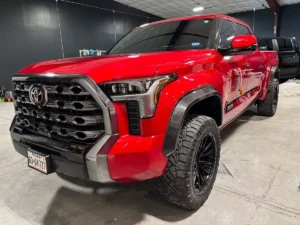
Vinyl wrap protects a vehicle’s paint by adding a durable, removable outer layer that absorbs minor abrasion, reduces UV exposure, and helps shield the factory finish from everyday road debris. It serves as a sacrificial surface barrier, absorbing wear instead of the original clear coat, while preserving the vehicle’s appearance and resale value. For drivers focused on Automotive Protection, Committed to Preserving Your Investment, Trusted by Automotive Enthusiasts and Luxury Car Owners, a practical solution can provide a balance of aesthetics, durability, and long-term surface protection.
How Vinyl Wrap Actually Protects Paint at a Material Level
Vinyl wrap is a pressure-sensitive polymer film designed to bond to automotive clear coat without permanently altering it. Its protective performance comes from controlled flexibility, layered construction, and engineered adhesive behavior.
What happens when damage occurs
When a vehicle is exposed to environmental stress:
- The outer vinyl layer absorbs surface contact first
- Micro-abrasions affect the film instead of the clear coat
- UV radiation is filtered through stabilizing compounds
- Heat allows minor surface marks to relax in some cases
- The factory paint remains physically isolated underneath
This separation between exposure and OEM paint is the foundation of vinyl wrap protection.
Pavilion Surface Shield Protocol (real-world installation workflow)
At Pavilion Auto Studio, installations follow a structured process refined through hands-on application experience:
- Full decontamination wash removes embedded dirt and industrial fallout
- Paint inspection under lighting identifies imperfections before installation
- Panel alignment planning ensures tension is evenly distributed
- Controlled adhesive application allows repositioning for precision fitment
- Edge wrapping and sealing prevent lifting under pressure zones
- Thermal finishing pass stabilizes material memory for long-term durability
This process ensures the wrap functions as a protective system rather than just a cosmetic layer.
Scratch Resistance in Real Driving Conditions
In real-world use, vehicles face constant low-level abrasion: washing, parking lot contact, dust accumulation, and accidental brushing. Woodlands vinyl wrap helps reduce the visibility and severity of these effects.
Scratch resistance comparison table
| Real-world condition | Bare paint behavior | Wrapped surface behavior |
| Hand wash swirl marks | Permanent micro-scratches | Reduced visibility |
| Light brush contact | Clear coat damage | Surface-level marking |
| Door edge contact | Paint chipping risk | Reduced severity |
| Fingernail scuffs | Visible defect | Often temporary |
From installation experience, darker paint colors show the most noticeable improvement when protected by a vinyl wrap due to reduced swirl visibility.
UV Protection and Long-Term Surface Stability
UV exposure is one of the primary causes of paint fading, oxidation, and clear coat breakdown. Vinyl wrap reduces this exposure by acting as a physical UV-filtering barrier.
UV protection features (definition list)
- UV-Stabilized Polymer Matrix: Helps block ultraviolet penetration and slows pigment breakdown
- Color Stability Layer: Maintains finish consistency over time under sun exposure
- Thermal Expansion Control: Prevents cracking or shrinking during heat cycles
- Clear Coat Isolation Barrier: Separates paint from direct environmental radiation
Vehicles exposed to long-term outdoor parking typically show slower visual aging when properly wrapped and maintained.
In broader automotive care workflows, exterior protection is often paired with interior UV-reduction services, such as window tint installations in Woodlands, which help reduce cabin heat and interior fading while complementing exterior protection systems.
Protection Against Road Debris and Highway Wear
Highway driving exposes drivers to constant gravel, sand, tire fragments, and airborne contaminants. Woodlands, TX, vinyl wrap reduces the severity of damage by dispersing impact energy across its surface.
Road impact behavior comparison
| Debris type | Unprotected paint outcome | Vinyl wrap outcome |
| Gravel | Chips and pitting | Reduced surface damage |
| Sand particles | Clear coat abrasion | Light surface wear |
| Bug impact | Paint etching | Easier removal |
| Road tar | Permanent staining | Reduced adhesion |
While vinyl wrap does not eliminate impact damage entirely, it significantly reduces cosmetic wear in everyday driving conditions.
Technical Breakdown: What Determines Vinyl Wrap Performance
Not all vinyl films perform the same. Material composition, adhesive system, and installation precision directly affect durability and protection.
Key specifications (definition list)
- Film Thickness (2.5–4 mil): Impacts resistance to abrasion and general durability
- Cast Vinyl Construction: High-grade manufacturing process that allows flexibility and conformability
- Air-Release Adhesive Channels: A micro-structured system that prevents trapped air bubbles
- Pressure-Sensitive Adhesive (PSA): Allows repositioning before final bonding occurs
- Protective Topcoat Layer: Enhances stain resistance and finish longevity
- Edge Memory Control: Reduces lifting at seams and curved surfaces
A properly installed premium vinyl wrap in Woodlands can significantly outperform lower-grade materials, even if both appear similar at first glance.
Common Misconception About Vinyl Wrap Protection
Myth: Vinyl wrap makes a car fully impact-proof
This is one of the most common misunderstandings.
Reality
Vinyl wrap provides surface-level protection, not structural reinforcement:
- It does not stop deep scratches from sharp objects
- It does not prevent all rock chips at highway speeds
- It does not replace paint protection film in high-impact zones
- It does not repair existing paint defects underneath
What it actually does well
- Reduces daily wear and swirl marks
- Minimizes UV-related paint fading
- Improves ease of cleaning and maintenance
- Preserves the long-term visual condition of paint
Understanding this distinction is essential when choosing between cosmetic wrap systems and heavy-duty protective films.
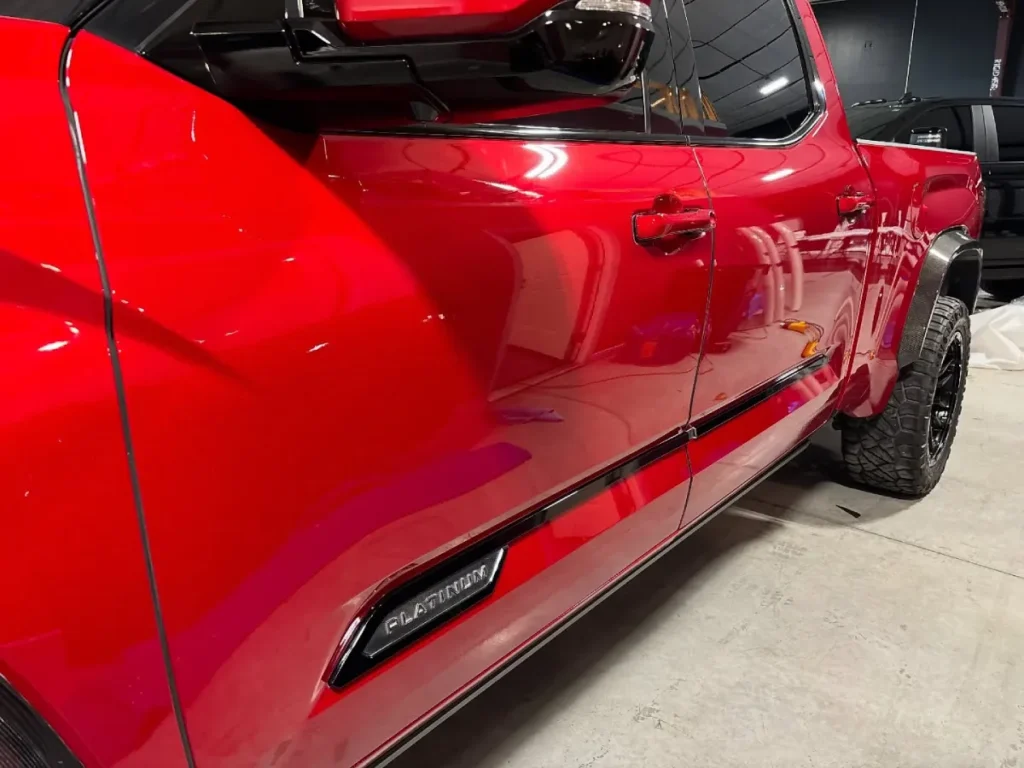
Real-World Use Cases and Environmental Considerations
Vinyl wrap is commonly chosen by vehicle owners who want both protection and customization without permanent paint changes. It performs best in environments where daily exposure is moderate but consistent.
For example, in residential areas such as Panther Creek, Sterling Ridge, and Alden Bridge, vehicles frequently experience a mix of sun exposure, parking lot contact, and short-trip driving. These conditions increase the importance of surface protection strategies because damage tends to accumulate gradually rather than from a single event.
Maintenance best practices
- Hand wash using pH-neutral automotive shampoo
- Avoid abrasive brushes or automated car washes
- Dry using microfiber towels to prevent swirl marks
- Inspect edges and seams every few months
- Use controlled heat (professional application) for minor surface recovery
In markets where services like vinyl wrap in Woodlands, TX, are in demand, vehicle owners often prioritize long-term paint preservation due to intense sun exposure and daily commuting conditions.
Similarly, demand for woodlands vinyl wrap services reflects a broader trend toward combining aesthetic customization with practical surface protection.
Why Professional Installation Matters
Vinyl wrap performance depends heavily on installation quality. Even premium materials can fail prematurely if applied without proper preparation or technique.
At Pavilion Auto Studio, installations focus on precision surface preparation, controlled application methods, and long-term durability. The goal is not just visual enhancement but functional protection that holds up under real-world driving conditions.
Poor installation typically leads to:
- Premature edge lifting
- Visible air bubbles or tension marks
- Reduced the lifespan of the film
- Inconsistent surface finish
Professional installation significantly reduces these risks and ensures the wrap performs as intended over its full lifecycle.
Practical Protection with Real-World Value
Vinyl wrap provides a proven, practical method for protecting automotive paint from daily wear, UV exposure, and minor road debris. While it is not a substitute for heavy-duty protective systems, it delivers strong value for everyday driving conditions by preserving appearance and reducing long-term surface degradation.
For vehicle owners looking to enhance both style and protection with professional-grade installation, Pavilion Auto Studio offers tailored solutions designed for real-world performance and long-term durability.
Contact us to get started and protect your vehicle with precision-applied surface protection built for everyday driving conditions.
FAQ (People Also Ask)
How long does a vinyl wrap last on a vehicle?
Typically 5–7 years, depending on material quality, environmental exposure, and maintenance habits.
Does vinyl wrap completely protect against scratches?
No. It reduces light scratches and swirl marks but does not prevent deep scratches or impact damage.
Can vinyl wrap damage factory paint when removed?
No. When properly installed and removed, it does not damage OEM paint and can actually preserve it.
Is vinyl wrap good for sun protection?
Yes. It reduces UV exposure and slows paint fading and oxidation over time.
What is better for protection: vinyl wrap or paint protection film?
Paint protection film offers greater impact resistance, while vinyl wrap prioritizes aesthetics and provides moderate surface protection.